The vegan pitch: lessons in repositioning dosas for New York
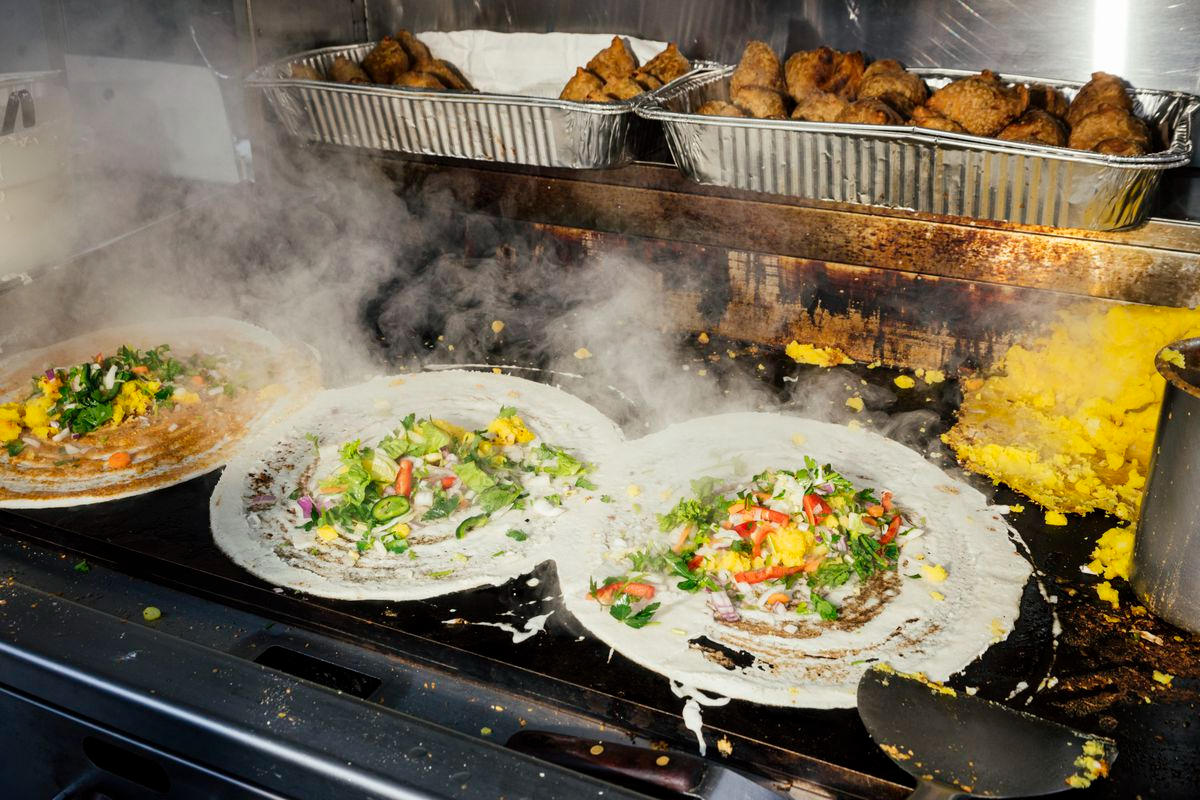
In most parts of India, dosas are ubiquitous. They’re a breakfast fare and comfort food. Their place in Indian culture is already firmly established. Most Indian restaurants don’t bother advertising dosas separately – they’re simply expected to be on the menu, much like coffee shops don’t specially promote that they serve coffee.
The exceptions are those Instagram-ready QSRs where dosas swim in pools of ghee, designed more for viral content than authentic experience. These represent marketing at work, not tradition.
But travel 8,000 miles to New York City, and this same dish transforms into something entirely different — not through a change in recipe, but through an interesting shift in positioning.
“The first vegan dosa cart in the world”: Meet NYC’s Dosa Man
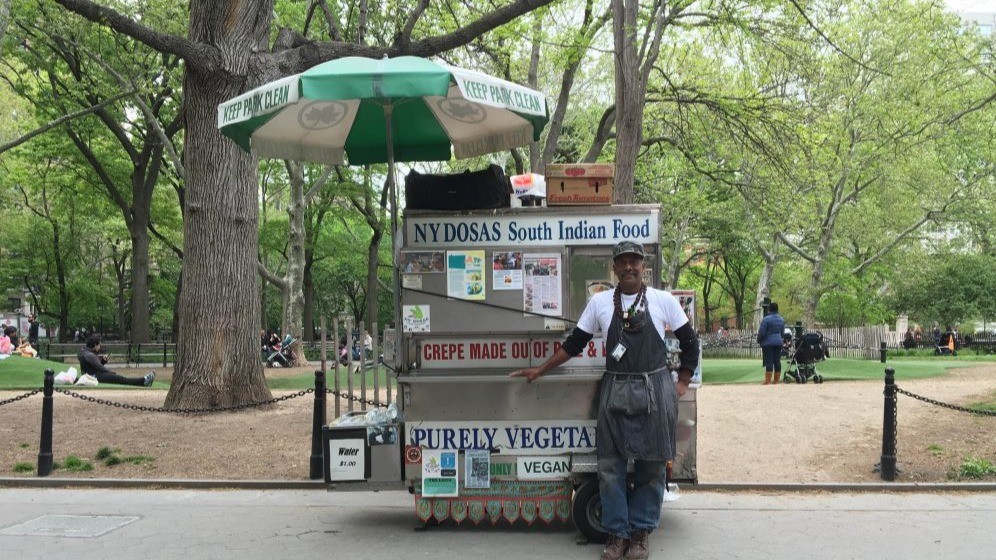
Step into Greenwich Village, however, and you’ll find NY Dosas — a humble food cart with an extraordinary reputation. Here, Thiru Kumar (aka the “Dosa Man”) has been serving dosas since 2001, winning the Vendy Award (the Oscars of street food) and attracting long lines of devoted customers.
I’ve been following his journey for years, watching how this unassuming cart transformed into a culinary destination that food enthusiasts from around the world seek out when visiting New York.
His Instagram and X accounts are filled with photos of happy customers taking selfies with their dosas and the charismatic Dosa Man himself.
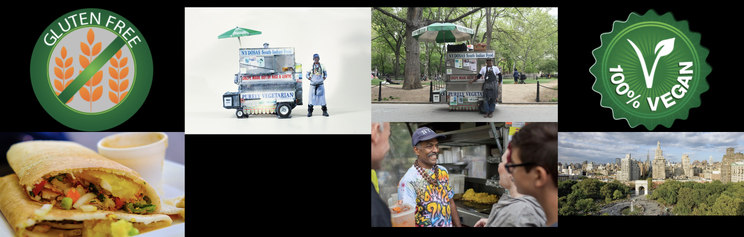
What makes Kumar’s approach fascinating is his positioning. “This is the first vegan dosa cart in the world,” Kumar proudly states about his cart. Where most food vendors in India would simply call themselves a “dosa stall,” Kumar specifically markets his business as a “vegetarian vegan dosa cart in Washington Square Park.”
In a city dominated by fast food, Kumar recognized an opportunity to differentiate through conscious positioning: “New York is known for hot dogs and cheese kebab and stuff no one expects from the tiny cart like this. We’re providing good, healthy food.”
Kumar doesn’t just sell dosas — he sells a narrative about health and conscious eating. When describing his food, he emphasizes attributes that would sometimes go unmentioned in India: “Dosa is a plate made of rice and lentil is naturally fermented totally gluten-free.” The words “naturally fermented” and “gluten-free” are marketing gold in health-conscious New York, despite being inherent qualities that Indian vendors rarely highlight.
How context transforms messaging
Audience context determines which product attributes to emphasize. The same dish can be positioned entirely differently depending on who you’re selling to and what they value.
Kumar understood this intuitively: “New York is a very busy city, everyone’s running. No time for nothing, so they’re craving good, healthy food, you know. That’s why I started to do this.”
What’s remarkable is that Kumar didn’t change the dosa recipe to make it vegan — it already was. In India, a dosa’s plant-based nature isn’t portrayed as a feature — it’s just how dosas have always been made. But in New York, where veganism is a conscious lifestyle choice rather than a cultural default, Kumar cleverly repositions this inherent quality as a key selling point.
He takes pride in how his messaging resonates with this audience: his dosas “give you natural energy, that’s what all the vegans are very happy, you know.” By emphasizing the vegan angle, Kumar changes what would be an unremarkable trait in India into a compelling value proposition for New Yorkers.
Sacred recipes and cultural translation
Thiru’s dosa evolution, based on his grandmother’s recipe, from everyday Indian staple to celebrated vegan specialty, carries valuable lessons:
- Position based on audience values, not tradition: Kumar didn’t change what dosas are, but changed how he talks about them based on what New Yorkers value.
- Highlight inherent attributes that resonate locally: Features like “naturally fermented” and “gluten-free” were always part of dosas, but are emphasized differently in New York.
- See your product through fresh eyes: Sometimes what seems ordinary in one context becomes your strongest selling point in another.
- Authenticity + right positioning = success: NY Dosas succeeds because it maintains the authentic essence of dosa while consciously framing it for a new audience.
The next time I encounter something, I consider how the same thing can tell entirely different stories depending on who’s listening. It’s a delicious reminder that effective brand marketing often isn’t about changing your product, but rather about changing how you position it within a new cultural context.